As someone heavily invested in real estate, i am vested and i take the good with the bad. There are many potential benefits: income potential, tax breaks, and building equity, to name a few. But there are also some risks involved in real estate investment that you should be aware of before jumping in.
In this post, I'll outline the good, the bad, and the ugly of real estate investing — so you can make an informed decision about whether or not it's right for you.
The Good
Let's start with the good aspects of real estate first. Here are some of the benefits that make real estate investing an attractive option:
- Income Potential
One of the biggest benefits of real estate investing is the potential for income. If you purchase a property and rent it out, you'll collect regular rental payments from your tenants. This can provide a valuable source of income, especially if you own multiple properties. Owning 19 doors and collecting rent from 16 of this month is awesome 😍
- Tax Breaks
Another perk of real estate investing is the variety of tax breaks that are available. The IRS allows you to deduct many expenses, including mortgage interest, property taxes, and depreciation.
This can result in a lower tax bill at the end of the year, which means more money in your pocket. 😱
2. Building Equity
As a property owner, you'll also have the opportunity to build equity. This is the portion of the property that you own outright and can be one of your most valuable assets.
Equity can be built in two ways:
- Appreciation: This is when the value of your property goes up over time.
- Principal paydown: This is when you make mortgage payments and reduce the amount of debt you owe on the property. 😇
Both of these methods can increase your equity stake in a property, which can be very beneficial in the long run.
The Bad
Now let's take a look at some of the potential drawbacks of real estate investing:
- High Upfront Costs
One of the biggest disadvantages of real estate investing is the high upfront costs. When you purchase a property, you'll need to come up with a down payment, which can be a sizable chunk of change. I'm a huge advocate of 5% down conventional loans but there are a ton of other financing options.
2. Difficult to Sell
Another downside of real estate investing is that it can be difficult to sell your property. It can take months (or even years) to find a buyer, and you may have to sell at a loss if the market isn't favorable. - it's not liquid. Don't invest if you feel you will need access to that cash quickly. Like most things - Real estate takes time.
3. Time-Consuming
Real estate investing can also be quite time-consuming. You'll need to handle the day-to-day tasks of being a landlord, such as marketing the property, showing it to potential tenants, and dealing with repairs.
This can be a full-time job in itself, and it's not something that you can just do on the weekends.
The Ugly
Now that I've covered the good and the bad of real estate investing, let's take a look at some of the ugly aspects. These are the potential risks that you should be aware of before investing in real estate:
- Economic Downturns
One of the biggest risks of real estate investing is that your property could lose value during an economic downturn. This is often referred to as "market risk."
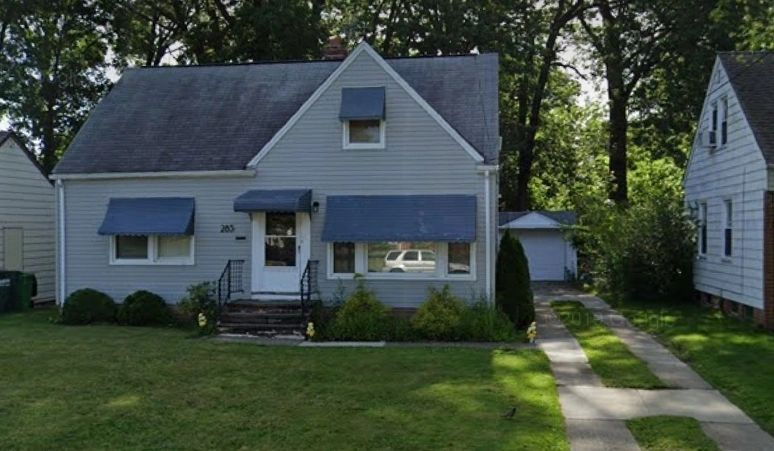
For example, if there's a recession and property values in your area decrease, you could end up owing more on your mortgage than your property is worth. This could force you to sell at a loss or even face foreclosure. I bought a property for 85k in 2005 and sold it for 63k in 2015
- Tenant Problems
Another risk of real estate investing is tenant problems. Even the best tenants can cause problems from time to time, such as not paying rent on time or damaging your property.
And if you have bad tenants, they can really make your life difficult. Bad tenants can cause a lot of damage to your property and cost you a lot of money in repairs. They can also cause problems with the other tenants in your building, which can lead to even more headaches.
2. Vacancies
An empty house is not an asset, it's a liability. If your property is vacant, you'll still need to pay the mortgage, taxes, and insurance.
And if it's vacant for too long, it could start to deteriorate and lose value. This is why it's important to have a solid plan in place to fill any vacancies that may occur.
To tackle this, you can try to find a good property management company that can help you fill vacancies and take care of the day-to-day tasks of being a landlord.
Bottom Line
As you can see, there are both good and bad aspects of real estate investing. And like any investment, there are also risks that you should be aware of before you get started.
But if you do your homework and invest wisely, real estate can be a great way to build wealth over time. Just be sure to weigh the pros and cons carefully before you make any decisions.