I started buying real estate in 2004.
There was no TikTok. There was no Instagram. There was no renovation influencer standing in a beige kitchen telling me to “refresh the hardware.”
There was just me, very little money, and a house full of ugly things I could not afford to replace.
So I painted them.
Vents. Doorknobs. Hardware. Anything that still worked but looked like hell.
Not because I had discovered some genius value-add strategy.
Because Home Depot wanted money I did not have.
I wasn’t restoring hardware.
I was broke with a can of spray paint and a problem.
And somewhere along the way, I realized something that has stuck with me for more than 20 years:
Paint has an absolutely insane return on investment.
The beauty industry is worth hundreds of billions. L’Oréal estimated the market at more than €290 billion in 2024.
Appearance changes value.
Real estate is no different.
We joke about putting lipstick on a pig.
Sometimes the pig just needed better lipstick.
Paint Can Change the Entire Story of a House
I have spent money on all the expensive stuff.
Roofs. HVAC systems. Plumbing. Electrical. Windows. Foundation work.
All necessary.
All expensive.
And almost none of it makes a buyer walk into a room and gasp.
Nobody has ever fallen in love with a sewer line.
Fresh paint is different.
Fresh paint gets emotional.
It makes old feel intentional. It makes tired feel clean. It makes neglected feel cared for. It makes cheap renovations photograph better than they have any right to.
A buyer may tell you they care about the mechanical systems.
And they do.
Right up until they walk into a freshly painted house and start mentally arranging their furniture.
That is where paint earns its money.
It changes perception quickly, and perception has value.
Being Broke Taught Me a Better Question
When I was getting started, I could not just replace everything.
That forced me to ask a question I still ask today:
Does this actually need to be replaced?
Or does it just need to stop looking terrible?
That is a very different question.
A vent may work perfectly fine and still look like it has been through three tenants, two bad paint jobs and one small war.
A doorknob can function exactly as intended and still make a room feel dated.
Cabinet hardware can be ugly without being broken.
Trim can be tired without being ruined.
When you have money, replacing things is easy.
When you do not have money, you learn to look harder.
Can I clean it?
Can I paint it?
Can I spray it?
Can I make this look dramatically better for almost nothing?
That mindset probably saved me more money than I realized at the time.
And the funny part is, once you learn it, you do not really unlearn it.
Even now, when I can afford to replace something, I still ask whether replacing it creates enough additional value to justify the cost.
Sometimes it does.
Sometimes it absolutely does not.
Paint Has One of the Best Cost-to-Impact Ratios in Real Estate
A lot of real estate improvements are expensive and invisible.
You can spend thousands fixing something important and have the house look exactly the same when you are done.
Paint is almost the opposite.
Relatively low cost. Immediate visual impact.
That is a powerful combination.
A few thousand dollars in paint can completely change how a property feels.
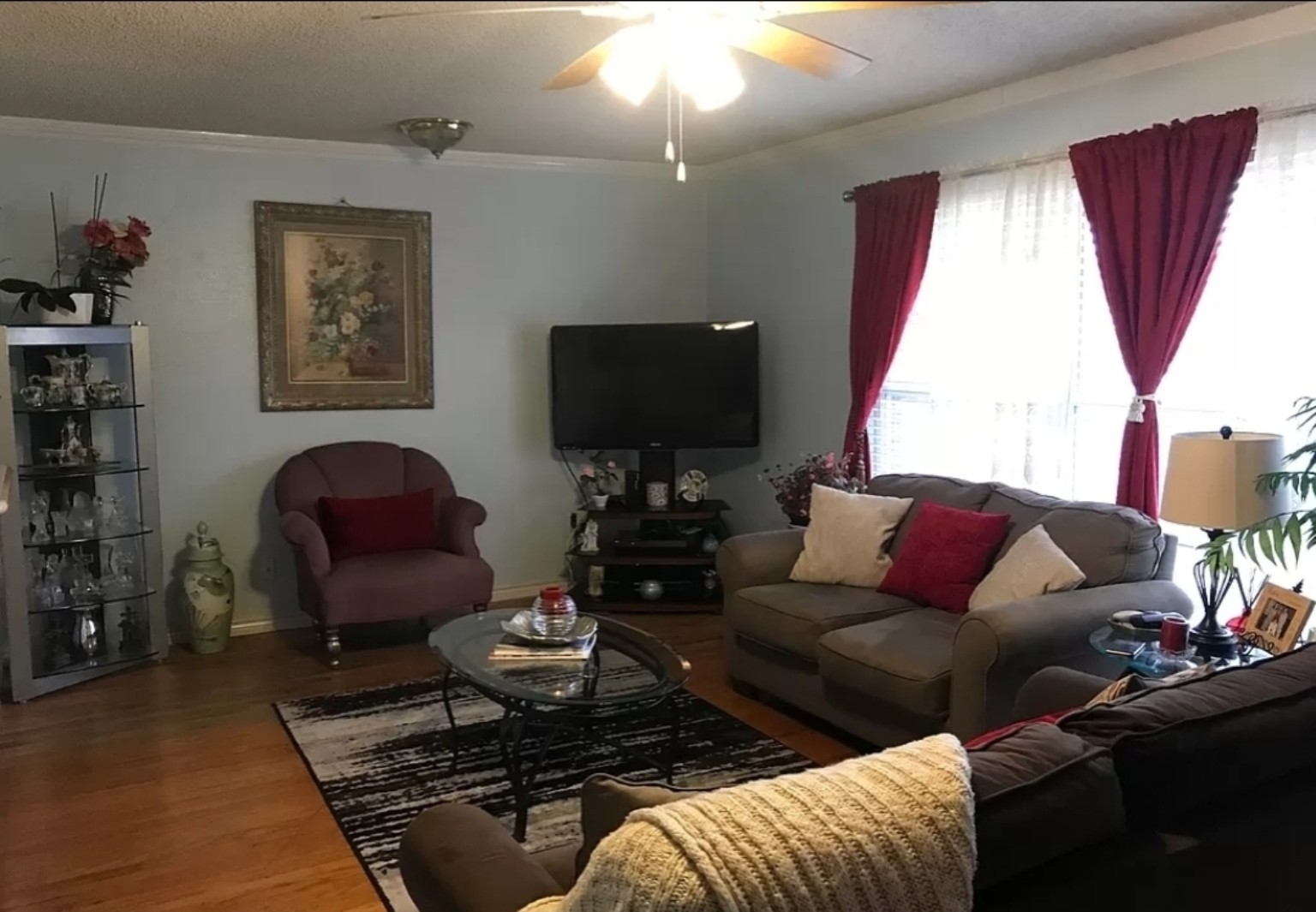
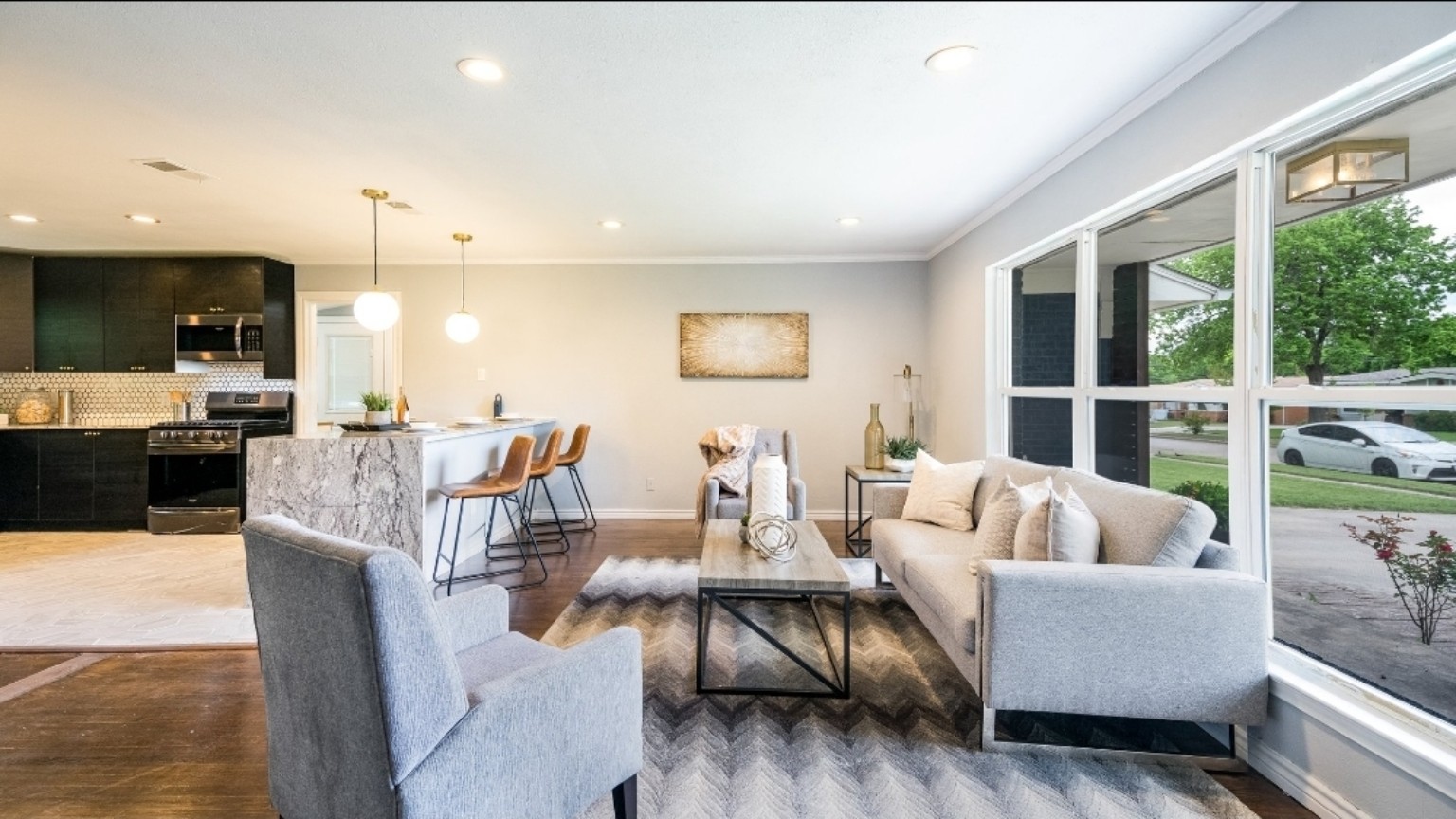
A dark, tired room suddenly feels bright.
A beat-up exterior suddenly looks maintained.
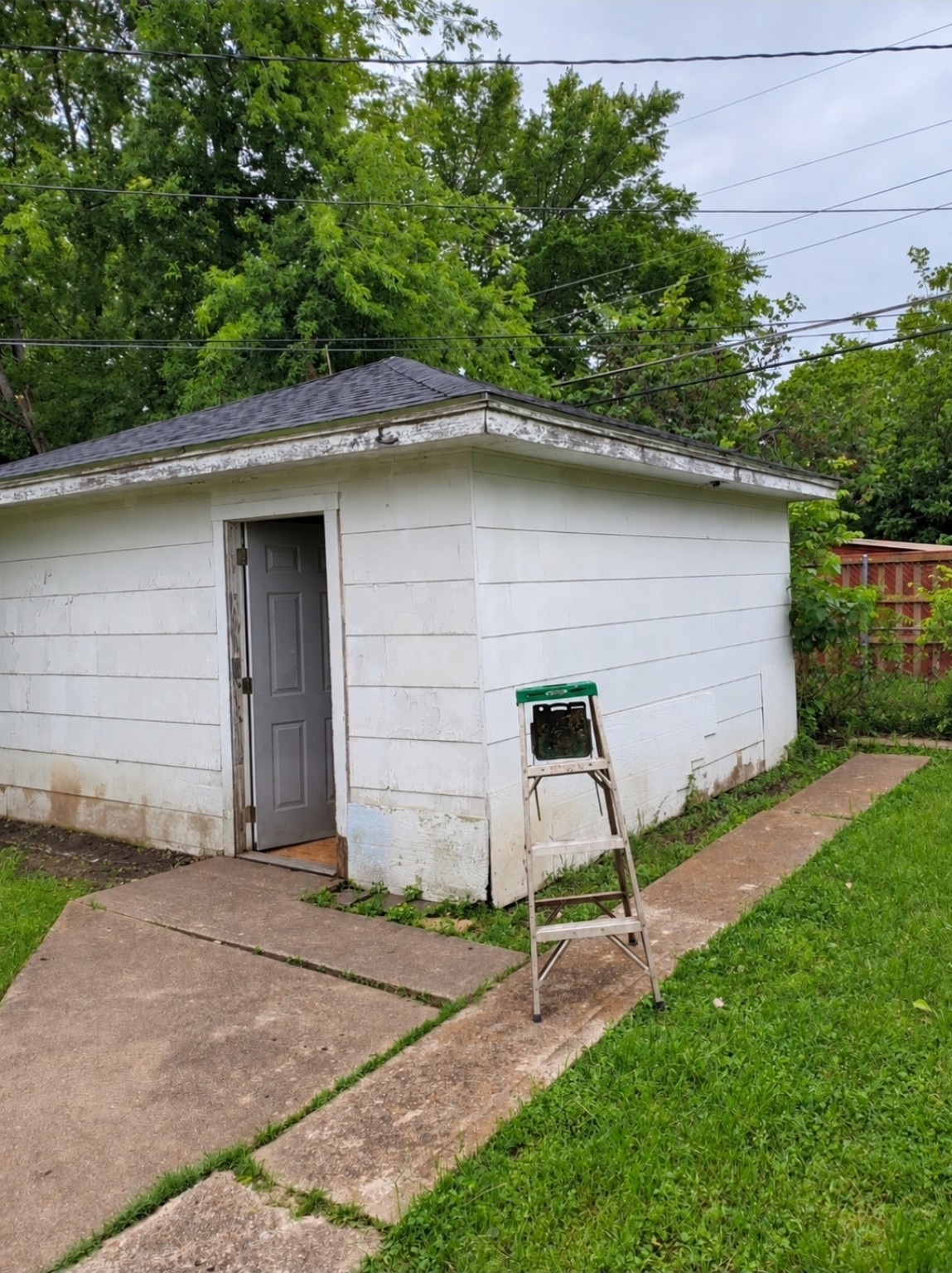
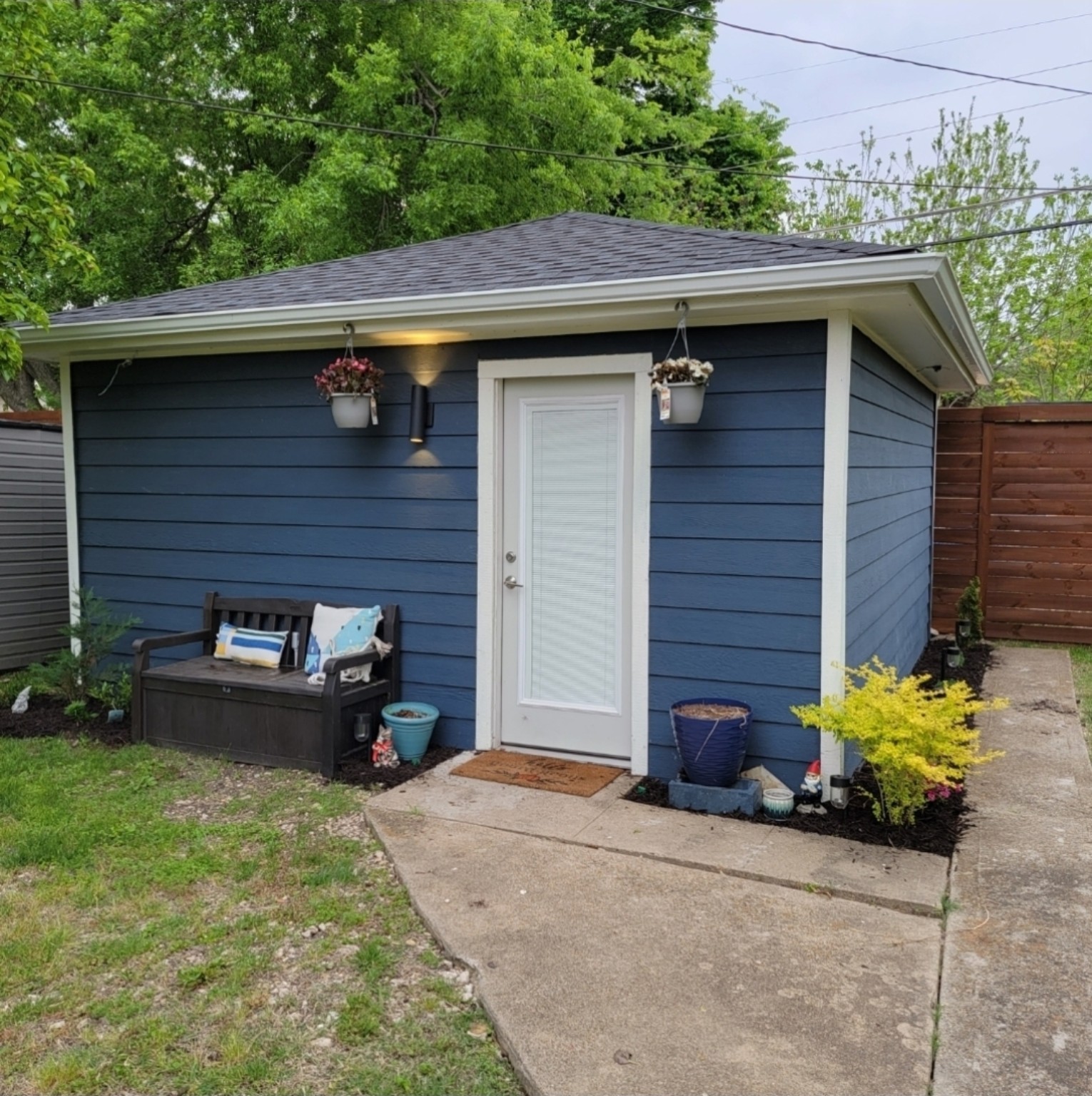
A detached garage that looked like it should come with a tetanus shot suddenly looks intentional.
Same basic footprint.
Different reaction.
That reaction is where the return lives.
Buyers Do Not Walk Through Your Spreadsheet
Investors sometimes get obsessed with what they spent.
Buyers do not care.
They are not walking through your property with your rehab budget in their hand.
They are reacting to what is in front of them.
Does this feel clean?
Does this feel bright?
Does this feel cared for?
Does this feel like a place I want to live?
That emotional reaction starts fast.
And paint controls a huge part of it.
It can make a modest renovation feel cohesive.
It can make older features blend in instead of screaming for attention.
It can make listing photos look dramatically better.
That last part matters more than ever.
Most buyers meet your house for the first time on a phone screen.
You are not selling them the plumbing stack.
You are selling them the feeling of the room.
The Cheapest Fix Is Sometimes the Smartest One
There is a weird tendency in real estate to glorify expensive improvements.
New kitchen.
New bathroom.
New floors.
Big dramatic before-and-after photos.
Nobody brags about repainting twelve air vents.
But profit does not care what sounds impressive.
If a $10 can of spray paint makes an old vent look perfectly acceptable, and replacing it costs $60, I would rather keep the other $50.
Do that enough times across a house and suddenly you are talking about real money.
A few dollars here.
A few hundred there.
Thousands across a renovation.
And that money can go toward the things that actually need replacement.
That is the distinction that matters.
Paint should never be used to hide a problem.
It should be used to avoid creating an unnecessary expense.
Very different thing.
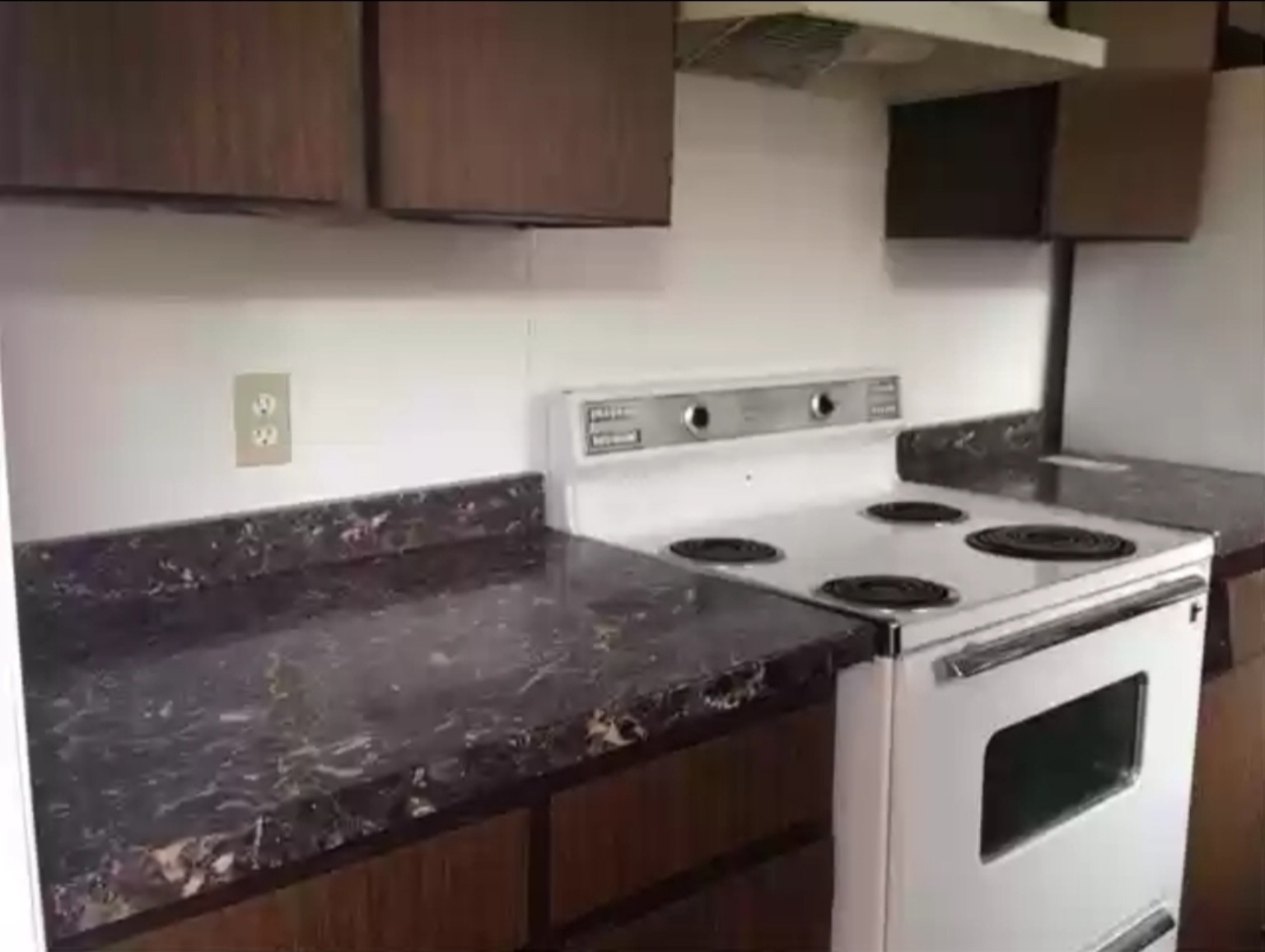
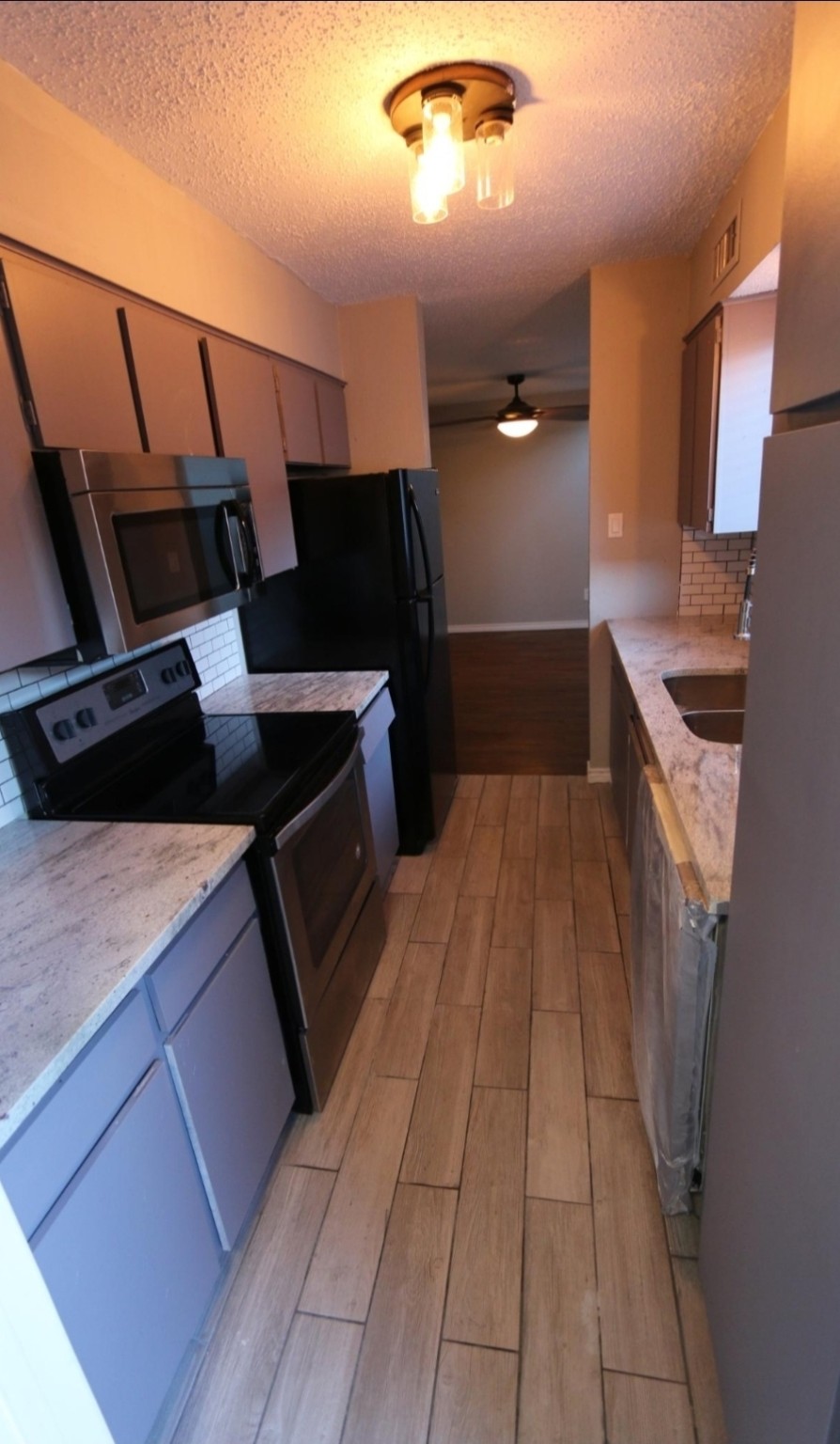
This Is Part of Why I’m Building Glass City Finishings
After more than two decades of buying, renovating, renting and selling property, I have watched paint outperform plenty of much more glamorous renovation expenses.
Not theoretically.
In real houses.
Over and over again.
I have seen properties go from looking tired and forgotten to looking sharp, clean and marketable with relatively simple cosmetic work.
That experience is part of why I am building Glass City Finishings.
The business is still in its early stages, but the idea behind it is something I already know very well:
Paint works.
It is not the sexiest part of a renovation.
It is just one of the most effective.
And sometimes that matters more.
See what we’re building at Glass City Finishings.
Paint Does Not Fix Everything
This should probably go without saying, but somebody on the internet will read this and decide I am advocating painting over structural problems.
I am not.
A failing foundation needs foundation work.
A leaking roof needs a roof.
Bad electrical needs an electrician.
Rot does not become structurally sound because you bought a gallon of eggshell white.
Paint is powerful.
It is not witchcraft.
The real value comes after the actual problems are handled.
Once the house is functional, safe and solid, cosmetics determine how much of that work people can actually feel.
You can spend $20,000 fixing invisible problems and still have a house that feels tired.
Then spend a fraction of that on paint and suddenly the entire project makes sense.
That is the part people underestimate.
I Started Painting Because I Had To
There was no master plan.
No content strategy.
No “value-add framework.”
I was just broke.
I needed things to look better and I did not have the money to replace them.
So I learned to work with what I had.
More than 20 years later, I still think that was one of the better business lessons I ever learned.
Use what can be saved.
Spend money where it actually matters.
Do not confuse expensive with better.
And never underestimate what a can of paint can do.
Sometimes the pig just needed better lipstick.