I was 25 years old when the 2008 financial crisis started unraveling.
I was living in Texas and working in Rockwall. I was renting at the time, paying $695 a month, which felt like a lot of money to me then.
I desperately wanted to buy something in Texas.
I could not afford to.
The funny part is that I already owned real estate.
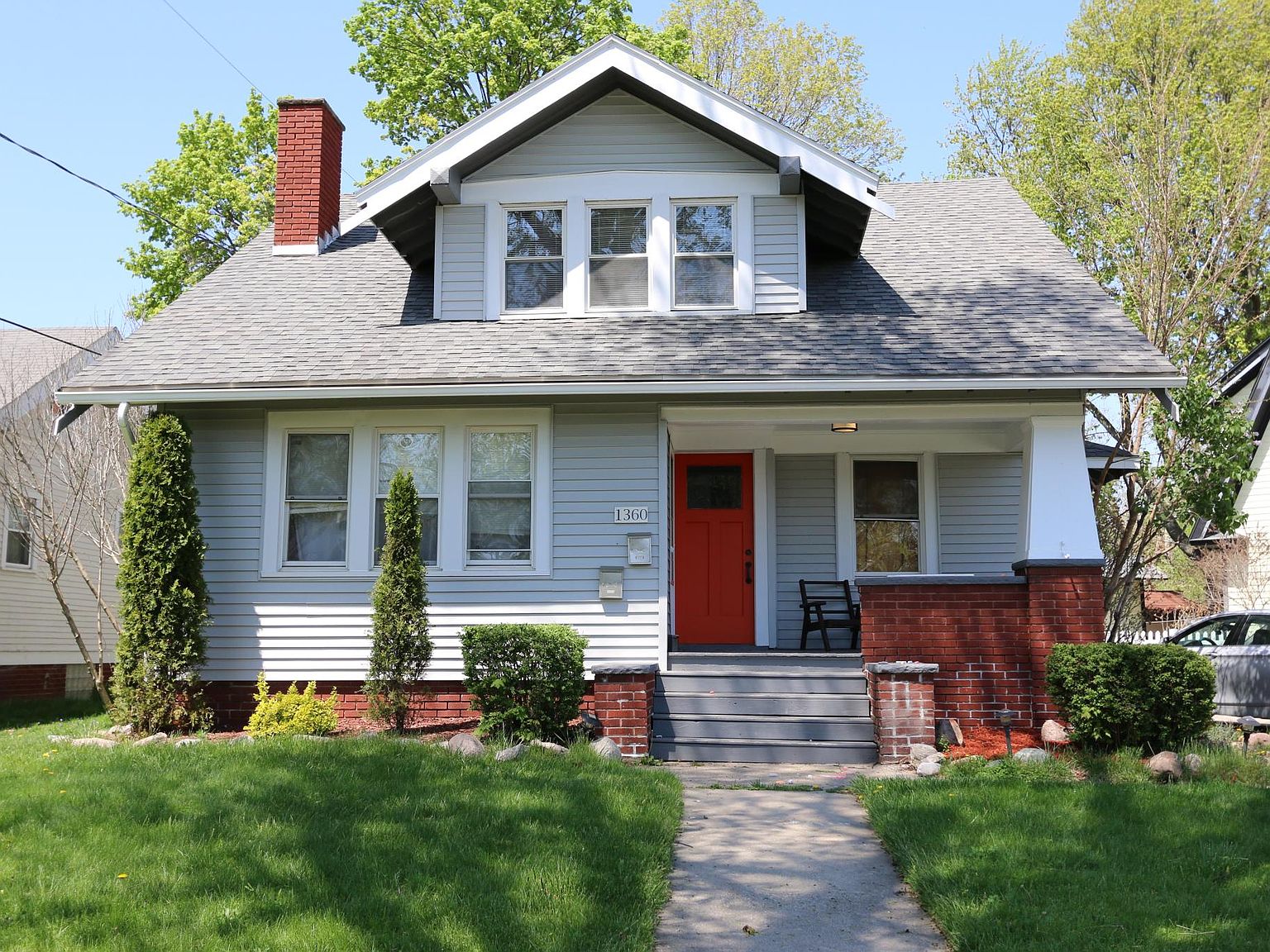
I had three rental doors at the time, but they were not producing the kind of clean, predictable “passive income” people love talking about now.
Some months the tenants paid.
Some months they paid late.
Sometimes they paid less than what my house payment was.
And I was trying to manage all of it myself from Texas.
Long-distance landlording at 25 during the 2008 financial crisis was about as relaxing as it sounds.
It was a fucking mess.
So while the country was watching banks fail and home values collapse, I was trying to keep three rental properties alive, cover my own rent in Texas, pay down high-interest debt and somehow position myself to eventually buy another place.
That was the backdrop.
At Least I Didn't Have a Car Payment
One thing I had going for me was my car.
It was paid off.
I had bought it while I was in college, and I kept driving it.
There was no monthly car payment sitting there competing with everything else.
That matters more than people think.
When money gets tight, every fixed payment becomes another mouth that needs to be fed.
Mortgage.
Rent.
Credit card.
Insurance.
Utilities.
Food.
The fewer mouths you have, the longer you can breathe.
My car wasn't impressive.
It was paid for.
At 25, during one of the worst financial crises in modern history, that was a hell of a feature.
I Got Another Job
I already worked in movie theaters.
Then I went and got a second job at Ross.
There was no grand strategy behind it.
I wanted to pay off high-interest debt because I knew that debt was standing between me and eventually buying something in Texas.
So I worked more.
The extra money had a purpose.
It wasn't, “I worked a second job, so now I deserve nicer stuff.”
It was the opposite.
I worked a second job because I wanted fewer bills.
That distinction probably shaped a lot of how I still think about money.
I Made Cheap Entertainment a Skill
I cut way back.
Cable disappeared.
Going out became rare.
Fortunately, working at a movie theater came with free movies.
That was a pretty excellent benefit when your entertainment budget was roughly zero.
Free movies.
Free popcorn.
Honestly, not a terrible recession package.
But one of my favorite examples of how my brain worked back then involved magazines.
At some point, I signed up for a bunch of free magazine subscriptions.
They would show up every week or month.
And instead of just reading them and throwing them away, I would take them to Half Price Books and sell them.
I wasn't exactly building generational wealth through magazine arbitrage.
Sometimes I'd get $12.
Sometimes $17.
But that money became my fun money.
That meant I could grab some fast food without feeling like I was taking money away from a mortgage or credit-card payment.
Every once in a while, I'd go to Sweet Tomatoes, which I absolutely loved.
Or Taco Cabana.
Back then, your dollar went a whole lot fucking further than it does now.
Those meals felt like a splurge.
And that was basically the system.
Main income paid the bills.
Extra income attacked debt.
Random little found money paid for the fun.
I didn't have a budgeting app telling me to do that.
I just knew I didn't want a $15 meal turning into another balance on a credit card.
The Rentals Were the Scariest Part
This is probably the part of the 2008 recession I remember most clearly.
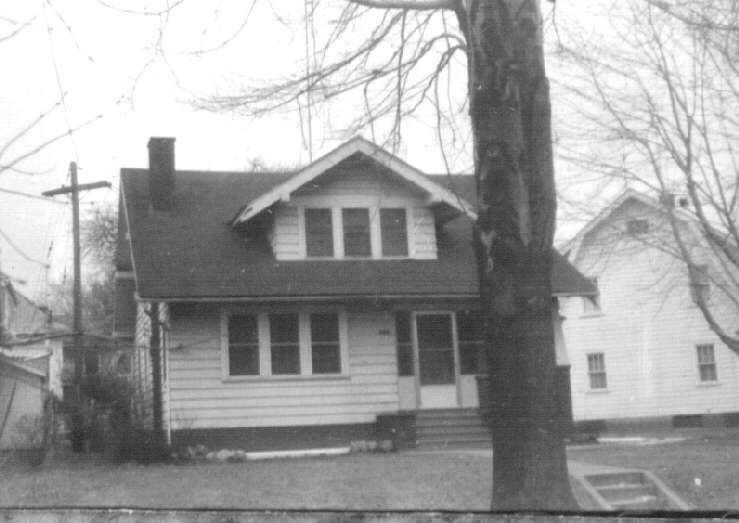
I had three rental doors, and I was determined not to lose them.
They did not always make that easy.
When tenants paid late, I still had a house payment.
When tenants paid less than the rent, I still had a house payment.
When something broke, being hundreds of miles away didn't magically make the problem cheaper.
There was no sophisticated property-management system.
It was me.
Calling.
Chasing.
Trying to coordinate repairs.
Trying to figure out where the money was coming from.
And doing it while the entire housing market was collapsing around me.
Looking back, that may be part of why I became so stubborn about holding real estate.
Ownership isn't always the pretty part people post online.
Sometimes ownership is covering the shortfall and making the payment anyway.
I started buying property in 2004, and a lot of my financial life since then has been built around finding value in things other people overlook.
That mindset is still all over what I do today, whether it's real estate, resale inventory through CheapCheapCloseout.com, or figuring out whether a property really needs replacing or whether it just needs to be made useful again.
That’s also part of why I wrote about the insane ROI of paint. Sometimes the cheapest improvement is still the one that changes the entire outcome.
My Goal Wasn't to Win 2008
It was to get through it.
I wanted the debt lower.
I wanted the houses intact.
I wanted to eventually own something where I actually lived.
I wanted my financial life to become less fragile.
That was the entire plan.
I wasn't trying to time the bottom of the market.
I wasn't waiting for somebody on television to tell me it was safe again.
I was trying to make sure that when things eventually got better, I was still standing there with the properties I already owned.
And I did.
I didn't lose any of them.
That sentence means more to me now than it probably would have at 25.
Because I know how messy the path actually was.
I Learned to Use What I Already Had
One of the things 2008 taught me was that not every problem needs to be solved by buying something new.
If something still worked, it stayed.
If something could be repaired, I repaired it.
If an ugly property could be improved instead of gutted, that mattered.
That philosophy followed me for years.
It's still part of how I look at projects today, and it's one of the ideas behind Glass City Finishings: before assuming everything needs to be replaced, figure out what can be repaired, refinished, painted or improved first.
That isn't just a renovation lesson.
It's a financial one.
Replacement is expensive.
Resourcefulness is often cheaper.
2008 Changed the Way I Hear Financial Doom
I don't dismiss bad economic news.
That would be ridiculous.
2008 was genuinely awful.
People lost jobs, homes, businesses and fortunes.
The fear wasn't manufactured.
But there is something you learn after living through a period when everyone is convinced the financial world is ending:
Eventually, the news moves on.
The crisis that feels permanent while you're inside it becomes a chart someone points to years later.
That doesn't mean sitting around and hoping everything works out.
It means concentrating on the part you can actually control.
I couldn't control housing prices in 2008.
I could control whether I picked up another shift.
I couldn't control whether another bank failed.
I could control whether I kept paying 20% interest on credit-card debt any longer than necessary.
I couldn't control unemployment.
I could control how expensive my own life was.
That distinction gave me something useful to do instead of sitting around being terrified.
Frugality Is Most Valuable When Things Aren't Going Well
It's easy to talk about being frugal when everything is fine.
You found a coupon.
You bought something on clearance.
You drove an older car.
Cute.
The real test is whether you know how to shrink your financial footprint when you actually need to.
Can your lifestyle get cheaper quickly?
Can you generate extra income?
Can you separate something you want from something you actually need?
Can you stop caring what your life looks like to other people for a while?
That's where frugality becomes less of a personality trait and more of a survival skill.
And that lesson has carried into how I run my businesses now.
A lot of what I do with Cheap Cheap Closeout is built around the same basic idea: there is value sitting in places other people ignore.
Inventory gets overlooked.
Properties get overlooked.
Old fixtures get overlooked.
Sometimes the opportunity isn't buying something better.
Sometimes it's recognizing what's already there.
As We Enter a Different Chapter in 2026
There’s a lot of doom and gloom right now.
Some of it may be justified.
Some of it won’t be.
I’ve lived through enough to know that sitting there refreshing bad news all day doesn’t make you any safer.
At some point, stop doom scrolling.
Go for a walk.
Cook something you’ve never made before.
Call somebody.
Clean out a room.
Start the hobby you keep saying you want to start.
Maybe that hobby turns into a little side income.
Maybe it doesn’t.
Maybe it just gives you something better to think about than interest rates, housing prices and whatever financial apocalypse somebody is predicting this week.
That matters too.
I learned in 2008 that when things feel uncertain, you need to control what you can.
Spend a little less.
Earn a little more.
Take care of your health.
Protect the things that matter.
And keep living your life.
Because eventually, the chapter changes.
It did after 2008.
It will again.
And when it does, hopefully you’re still standing there — a little wiser, a little less leveraged, maybe a little healthier, and maybe with some weird new hobby that accidentally makes you money.
In 2008, I was 25 years old, working two jobs, living in a $695 apartment, driving a paid-off car, managing three messy rental doors from hundreds of miles away, watching free movies, eating free popcorn and selling free magazines for $12 or $17 so I could occasionally go eat somewhere without feeling guilty about it.
It wasn't sophisticated financial planning.
It was survival.
And I didn't lose a single property.
Sometimes boring works.