I had $425 in rent money to put toward the $3,500 I still owed my HVAC contractor.
That was the remaining balance. Not the entire cost of the job.
The rent had a destination before I could do much else with it.
This is the part of rental property ownership that gets squeezed out of the conversation when somebody posts a purchase price, a monthly rent number, and a little fire emoji.
Rent comes in. You feel good for a minute. Then you remember what still needs to be paid.
I’ve been doing this for more than 20 years. Real estate helped me leave my W-2 job at 39. I believe in it because I’ve seen what it can do.
I’ve also seen how much money a house can eat while you’re waiting for it to pay you.
That monthly number needs a few more lines
It’s easy to get excited about the difference between the rent and the mortgage payment. Understandably. That’s usually where the conversation starts.
But keep going.
Are taxes and insurance included in that payment? What utilities are you responsible for? What does the property need this year? What happens when someone moves out?
And how much of that rent actually makes it into your account?
A tenant owing money and a tenant paying money create very different afternoons when a contractor is waiting for a check.
You can have a perfectly reasonable plan and still run into a cash problem. Bills have due dates. Expected income has a tendency to come with explanations.
A quiet month can be misleading
Say a rental has $400 left each month after its regular bills, before setting anything aside for vacancy and bigger repairs.
That’s $4,800 a year if every month goes according to plan.
Now give that hypothetical property a $3,500 repair.
More than eight months of that surplus just found a new home.
Those are example numbers, not the financials of one of my properties. But the math explains why a landlord can collect rent all year and still have very little to show for it in the checking account.
The money wasn’t necessarily wasted. A necessary repair may protect the property and keep it rentable for years.
It still has to be paid for.
And if you already built a repair allowance into your numbers, don’t subtract the same expense twice when you evaluate the deal. The point is to account for it honestly, then actually keep the cash available.
Typing “reserves” into a spreadsheet is the easy part.
Leaving that money alone when another cheap property or pallet of inventory appears is where it gets interesting.
Vacancy comes with bills, too
An empty property can be surprisingly expensive for something nobody is using.
There may still be a mortgage payment. Insurance. Taxes. Utilities. Yard work. Then there’s whatever needs to happen before the next tenant moves in.
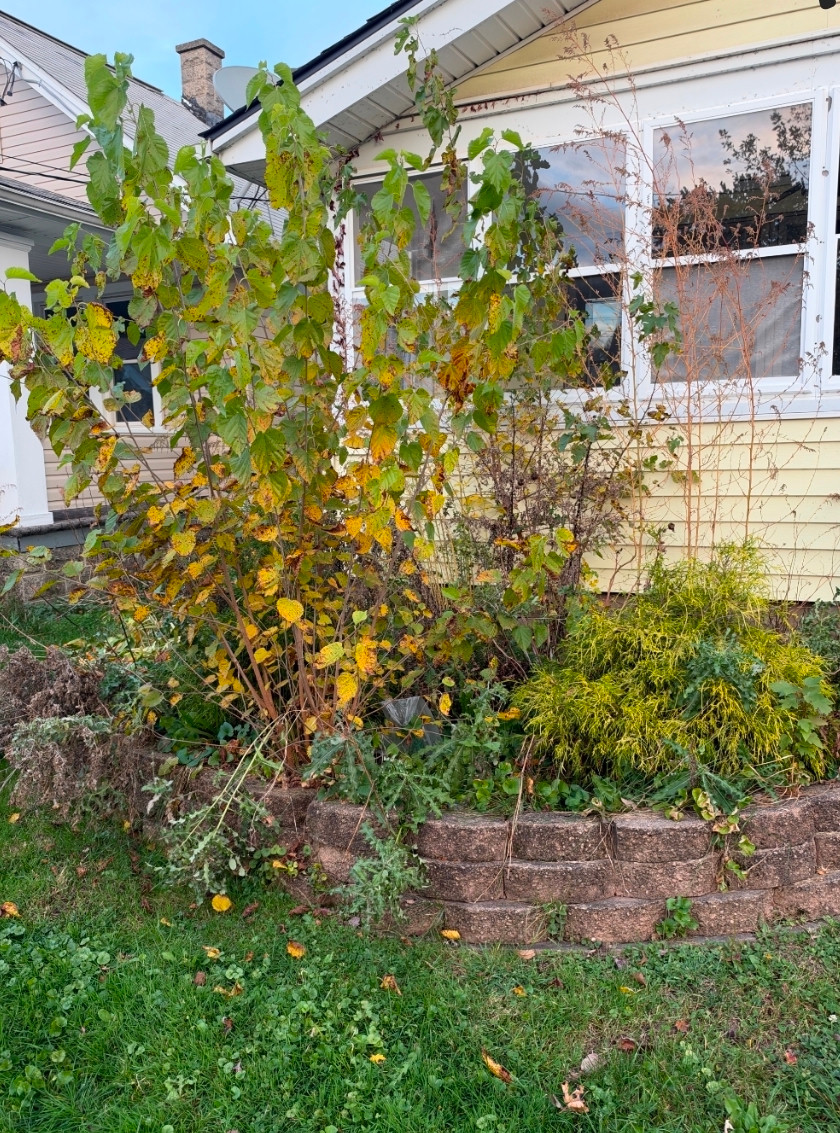
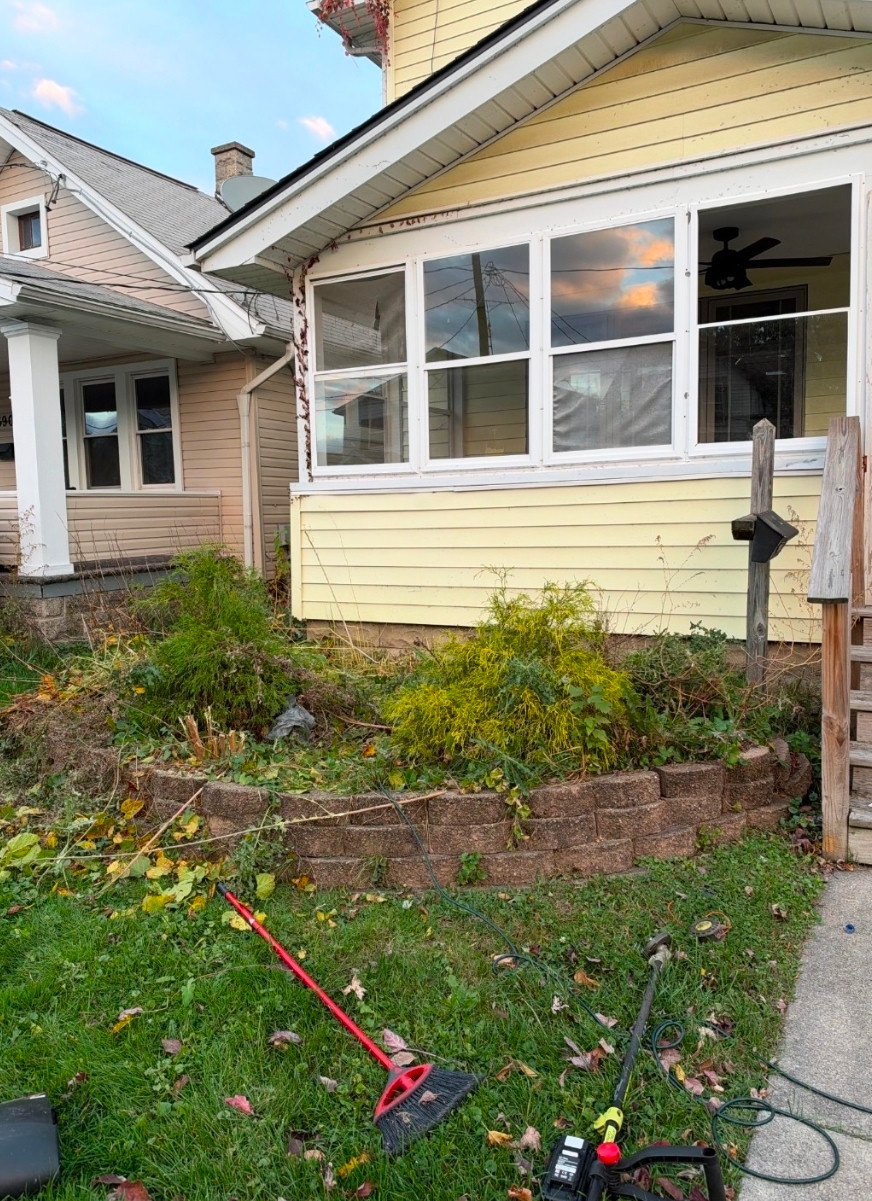
Cleaning. Paint. A repair that turns out to need another repair.
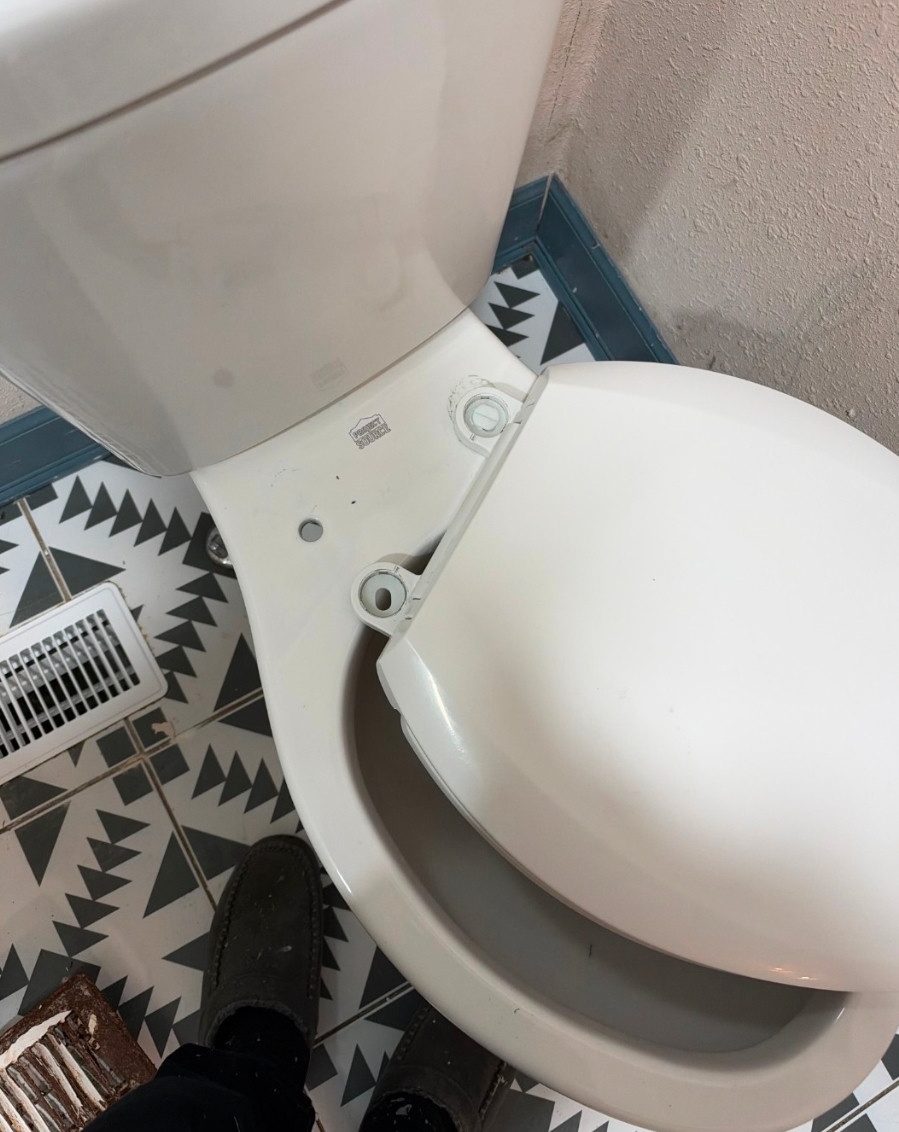
Some turnover is normal. The trouble starts when the timeline stretches.
Another week waiting on a contractor means another week before you can finish. Another week before you can show it properly. Another week before rent might start coming in.
That’s why I care about getting properties finished.
There’s a point where the most useful thing you can do for your business is get the house you already own ready for someone to live in. Chasing another deal while that one sits unfinished can make your portfolio bigger and your cash situation worse.
The house doesn’t care what you paid for it
I still believe there are opportunities in inexpensive real estate. But buying cheaply does not make every expense cheap.
An HVAC contractor prices the work that needs to be done. Your great purchase price isn’t much of a bargaining chip.
The same goes for a roof, plumbing, or a foundation problem.
That’s where affordable properties deserve careful math. A repair can consume a much bigger share of the income when the rent is lower. You need to understand the condition of the house, what’s likely coming next, and how you’ll pay for it.
Being frugal means caring about the whole cost of owning something.
Sometimes spending money on a proper repair is the frugal decision. Repeatedly paying for a temporary fix can get expensive fast. And the person living there still needs a functioning home while you figure out your budget.
What I’d want to know before counting the cash
Before treating rental income as money available to spend, I’d want clear answers to a few questions:
- How much rent was actually collected?
- What did the property cost to operate?
- What bills are still outstanding?
- What work is coming up?
- How much cash needs to stay available for a vacancy or repair?
Then I’d look beyond one month.
A big repair can make a good property look terrible for a while. A stretch without repairs can make a weak property look better than it is. You need enough history, and an honest look ahead, to know which situation you’re in.
I’d also ask how much of my time the place requires. Coordinating five visits to solve one problem may not show up as a line item, but it takes something out of your day.
That matters when the reason you bought rentals was to have more control over your life.
For a place to track those numbers, The Rental Property Reality Check includes property snapshots, a monthly tracker and a dashboard for cash flow, vacancies and open repairs.
I still want the real estate. I want the cash, too.
I’m grateful for what owning property has made possible.
I also want to be candid about the weeks when the rent is already spoken for, the work isn’t finished, and the next bill shows up before the next payment.
You can build wealth through those stretches. You can make a good investment and have an expensive year. You can also keep calling something a good investment long after the numbers suggest you should reconsider.
The only way to tell is to look at the whole picture.
I want properties that leave me with more money, more options, and enough breathing room to handle the shit that inevitably breaks.
When I’m looking at rental income, I want to know what I can actually keep.
The HVAC contractor already knows what he’s getting.