
I recently sat down and looked at about a month of spending across two credit cards, plus a few larger purchases that never hit either statement. The total was just under $37,000. That number looks insane. It also doesn’t tell the story. I wasn’t taking luxury vacations. I wasn’t eating at expensive restaurants every night. I wasn’t buying designer clothes or upgrading my lifestyle. Most of the money went into inventory, real estate, and business expenses. And that made me realize something I think gets lost in a lot of personal finance conversations: Spending and consumption are not the same thing. If you own a business, invest in real estate, flip merchandise, or regularly deploy money into things that are supposed to produce a return, your monthly outflow can look ridiculous while your actual lifestyle remains pretty boring. That’s basically me. I’m cheap about a lot of things. I care about what stuff costs. I compare prices. I hate wasting money. I’ll happily eat the same basic meals, buy clearance, use coupons, shop off-season, and skip things I don’t care about. But I can also spend thousands of dollars in a week on inventory if I think the numbers make sense. That’s where things get more complicated.
Not All Inventory Is Created Equal
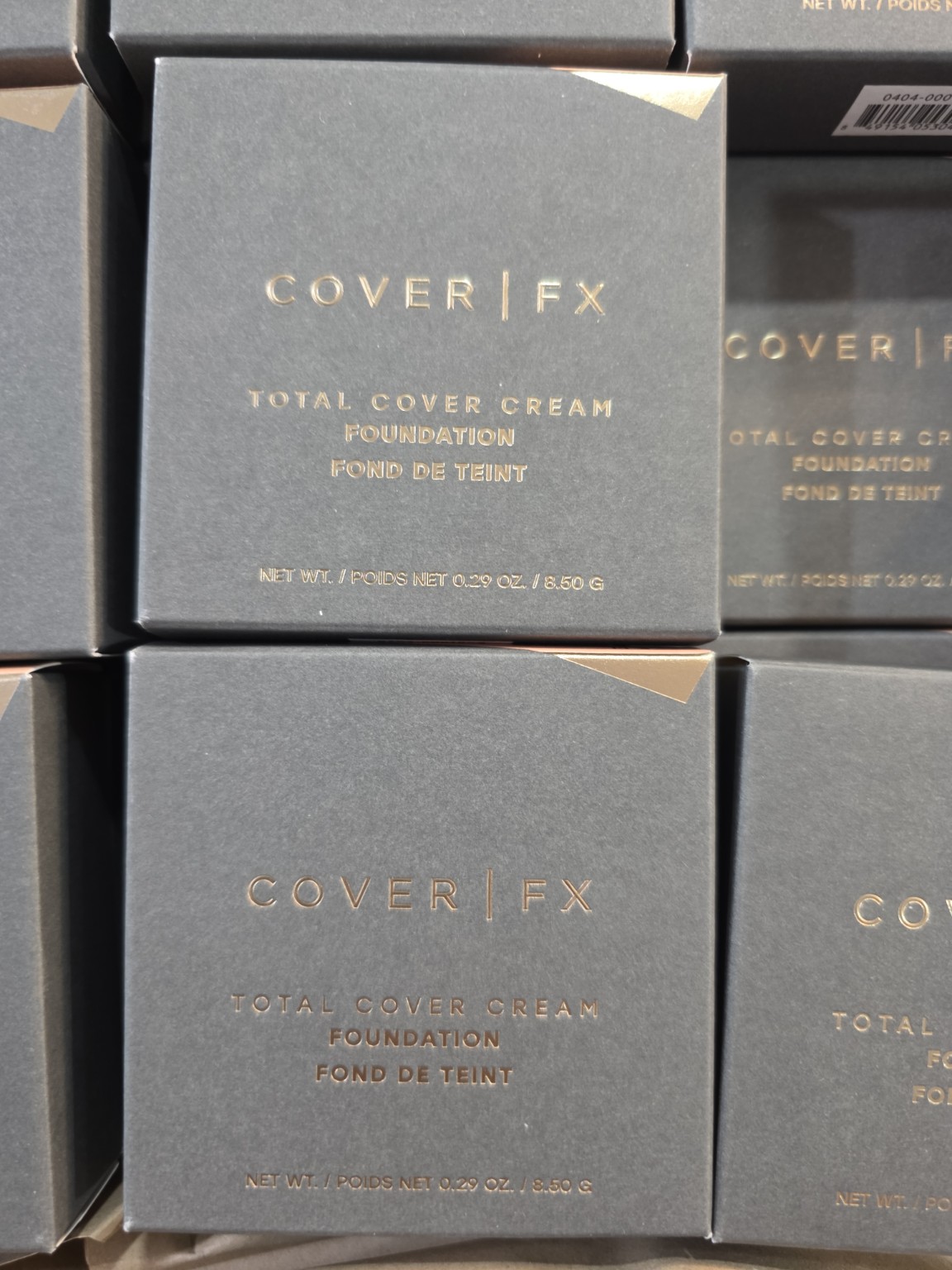
Over the years, I’ve learned that some inventory is there to make money. Other inventory is there to keep people interested long enough for me to make money. Those are not always the same thing. Some products have incredible margins. They’re easy to understand, easy to sell, and there are multiple ways to move them. I can wholesale them, sell them online, send them to live sellers, bundle them, or hold them until the right buyer comes along. Those are the buys I love. Then there’s the other stuff. The mediocre stuff. The random beauty products. The odd lots. The things that are profitable, but not life-changing. I still buy some of that because variety matters. If you run the same three products over and over again, people leave. Sometimes the lower-margin inventory is doing a job. It keeps the show moving. It keeps customers engaged. It gives people a reason to stay. That doesn’t make it bad inventory. But it does mean I need to be honest about what role it plays.

The Real Problem Wasn’t Spending Too Much
The real problem was deploying too much money at once. That’s different. You can be profitable and still feel broke. You can have tens of thousands of dollars sitting in inventory and still be short on cash. You can know a product is going to sell and still have to wait days, weeks, or months for that money to come back. That lag matters. Money goes out first. Inventory comes in. Then it has to get sorted, listed, shipped, wholesaled, sold on a live show, or moved to another seller. Eventually the cash comes back. But “eventually” does not pay today’s bills. That’s where I found myself recently. I had good inventory. I had money coming in. I had people selling for me. I had real estate moving toward the finish line. But I had deployed so much cash in a short period of time that everything felt tighter than it should have. The money wasn’t gone. It had just changed form.
One Great Buy Can Make a Huge Difference
This is why I’m not interested in becoming someone who simply stops spending. That would actually be bad for my business. The better goal is to get more selective. I recently had a product come in that cost me less than $1 per unit. A small lot of that product sold online for more than 15 times my cost. That is a very different buy from something that ties up cash for months and produces a small margin. Both may technically be profitable. They are not equally valuable. That distinction matters more to me now.
What I’m Changing
For the moment, I’ve slowed down new buying. Not because I’m afraid to spend money. Because I want the current inventory to breathe. I want more inventory going out than coming in. I want cash coming back faster. I want credit card balances moving down. I want properties getting finished and listed. I want more space in my house. And when the next truly great opportunity shows up, I want to have the cash available to actually take advantage of it. That’s the part I’m trying to get better at. Not saying no to everything. Saying no to enough mediocre opportunities that I can say yes to the exceptional ones.
Frugality Isn’t Always About Spending Less
A lot of people hear “frugal” and think the goal is to spend as little money as possible. That has never really been my version of it. I’ll spend money. I just want that money to have a job. Sometimes the job is enjoyment. Sometimes it’s convenience. Sometimes it’s fixing a property. Sometimes it’s buying inventory that I think can turn into a lot more money later. The mistake is when money gets deployed without enough thought about what it is supposed to do next. That’s what this spending review helped me see. I don’t need to stop spending. I need to stop confusing activity with opportunity.
For resellers who want a smaller inventory commitment, my $199.99 Reseller Launch Box contains at least 70 full-size beauty items. Read the assortment details and run your own resale math before buying. Available through my store, Cheap Cheap Closeout.